
What is the threat to endangered orcas?
Only 75 Southern Resident Killer Whales Remain. They May Not Survive if PM Carney Fast-Tracks Major Projects.
Prime Minister Carney is putting endangered orcas at risk in order to bulldoze through projects like pipelines, LNG terminals and major port expansions.
The Southern Resident Killer Whale, and other endangered wildlife, are protected under Canada's Species at Risk Act (SARA). Even with this protection, this orca population has dropped to just 75 individuals. Their habitat is the Salish Sea — the exact waters oil and LNG tankers must pass through. Underwater noise from these ships drowns out the orcas' ability to hunt, communicate, and navigate — pushing them toward extinction. More pipelines and more LNG would mean more ships and a massive port expansion. It also means more exposure to contaminants and risks to the Chinook salmon which the orcas rely on for food. If PM Carney wants to greenlight his destructive megaprojects, he has to find ways to bypass legal protections
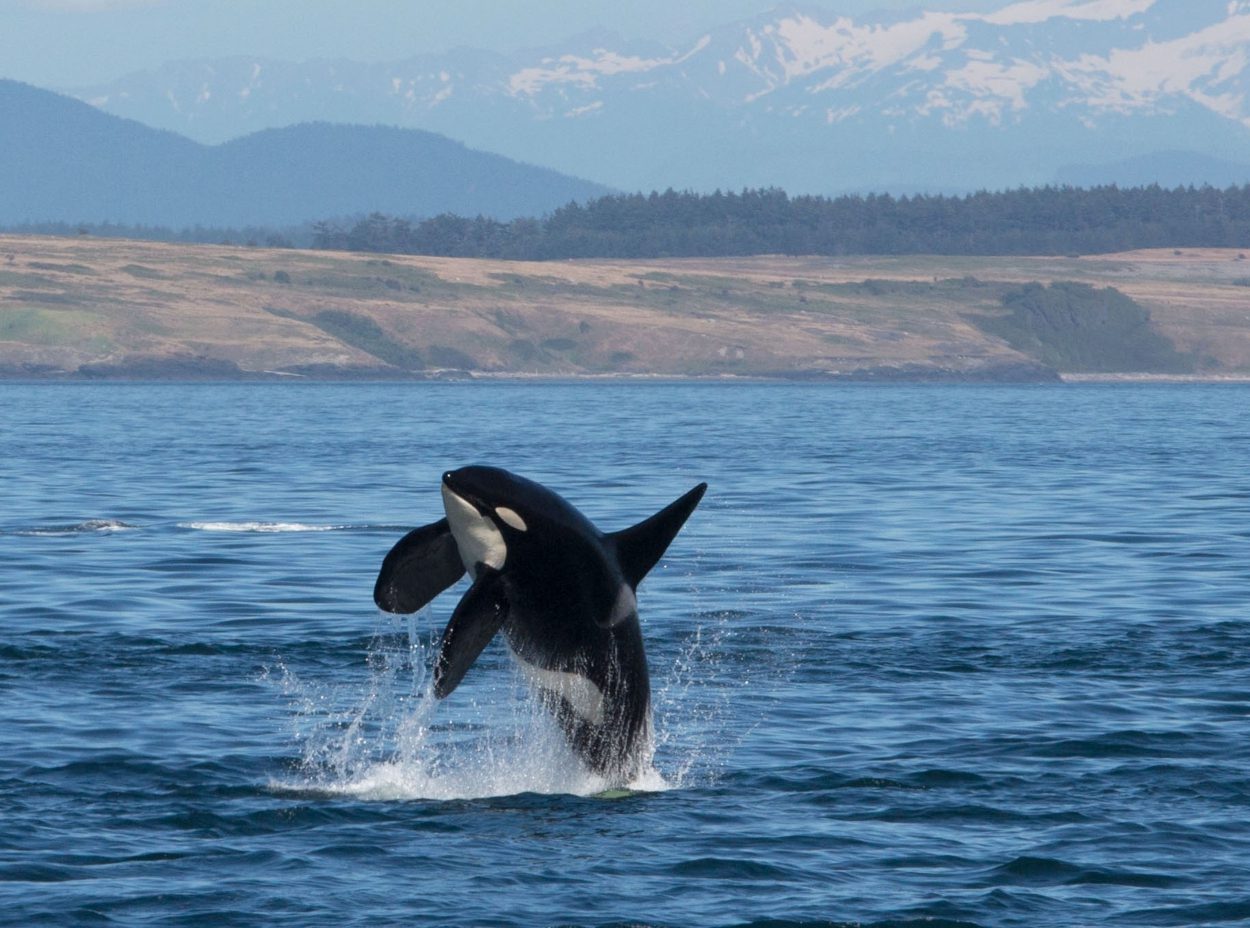
To build pipelines, the government needs to undermine the law that protects the orcas.
That’s where Prime Minister Carney’s major project agenda (aka the extinction agenda) comes into play. June 2025, PM Carney passed the Building Canada Act (BCA) The BCA is a dangerous law which allows Cabinet to designate industrial projects as being in the “national interest”. Those projects are then rubber stamped, and bypass laws that keep our communities, nature and wildlife safe — including SARA.
PM Carney has his eye on two big projects: the west coast oil pipeline and the Roberts Bank megaport. Both will have devastating impacts for the last remaining endangered orcas. The pipeline was just recently pre-approved under the BCA, so it will skirt SARA and other environmental laws. We’re expecting a similar decision for the megaport soon.
Bill C-39, the Bulldoze Nature Bill, accelerates the government’s extinction agenda
This September, PM Carney’s government took this reckless approach even further with Bill C-39, the Bulldoze Nature bill. This bill would allow Cabinet to create whole regions of national interest, where any industrial projects, likes mines, new pipelines or LNG terminals in that region would get rubber stamped. It also gives Cabinet ministers lots of power to weaken or remove any conditions placed on projects to lessen their impacts on endangered wildlife.
The Bulldoze Nature Bill is dangerous for endangered orcas, for clean water and for our communities. There is no undo button for ecological damage. Once the places and wildlife that we love are gone, we don’t get them back.
Environmental laws are not red tape. They exist to protect Canadians and the environment we love and rely on from irreversible ecological harm.
These plans are not popular. Tens of thousands of Canadians have voiced their opposition. Yet PM Carney continues to put the interests of American shareholders first.
Whether through legislation or designation of major projects, PM Carney is choosing extinction.
The Bulldoze Nature Bill threatens more than Southern Resident Orcas and other endangered wildlife.
If Bill C-39 passes, it would be the most sweeping rollback of environmental protections ever. Here’s just some of what’s actually in it:
Pre-Approving Risky Projects Without Review
PM Carney has already exempted some projects from federal review, including oil sands expansion and gas power plants. Bill C-39 would allow Cabinet to pre-approve pipelines, before routing details are complete or their impacts are understood. It would also give Cabinet the power to create "Regions of National Interest", where all kinds of projects would be pre-approved and skirt environmental laws that keep communities, water and wildlife safe.. This would leave Canadians in the dark about potential harms to their health, environment and vulnerable species.
Putting Clean Water and Fish Habitat at Risk
Bill C-39 gives the Minister of Transport the ability to exempt bodies of water from legal protections, meaning we could see more industrial waste being dumped into our waterway, without restrictions. The bill also introduces a “pay to slay” approach which allows companies to destroy critical fish habitat if they pay into a fund.
Undermining Indigenous Rights
All of the proposed changes in PM Carney’s discussion paper will make it practically impossible for the government to meaningfully consult Indigenous communities on major projects, which is constitutionally required.
Putting Profitability Over Survivability
Bill C-39 would give Cabinet members sweeping powers to act It requires Ministers to consider company profitability when setting conditions to mitigate for impacts to wildlife, or water protections. It would also give Ministers the ability to change any conditions that have been attached to a project approval. For example, if projects are approved with conditions to protect endangered wildlife or fish habitat, the Minister could unilaterally remove that requirement after approval.
Bill C-39 creates a system where industry profits and political priorities override science, Indigenous rights, and nature.
What Happens Next

September 21, 2026 — The Bulldoze Nature Bill was Tabled
The government tabled Bill C-39 on the first day of Parliament. When a bill is introduced, there are a series of steps before it becomes law. First, the bill is debated in the House of Commons, and then MPs vote on whether to send it to a committee to be studied in detail. This is called second reading.
October 1, 2026 - The "Pacific Link” toxic bitumen pipeline was pre-approved
The Government of Canada designated the Pacific Link pipeline as a project of “national interest”, ie it was rubber stamped. We are expecting the Roberts Bank megaport to be designated soon. If these projects move ahead, the impact on endangered wildlife like the southern resident killer whale will be devastating.
October 8, 2026 - Second Reading Vote
Members of Parliament vote on whether the bill will continue through the process. If the vote supports the bill, the bill is sent to a committee for a closer look. Committee members hold hearings where interested individuals and representatives from organizations can comment on the bill. The committee can also invite government officials and experts to answer questions.
October - November 2026 — Committee Studies the Bill
At the committee stage, the bill is studied in detail by a smaller group of parliamentarians, called a parliamentary committee.
November or December 2026 - Thirding Reading and the Final Vote
Prime Minister Carney has a majority government. Unless enough Liberal MPs break ranks or public pressure forces PM Carney to retreat, this legislation is likely to pass. Now is the time to speak up, loudly.
Take Action: Ask Your MP to Protect Endangered Orcas
Your voice matters. Members of Parliament respond to constituents, especially when they hear from many people in their riding. Calling or writing your MP is one of the most effective ways to influence how they vote.
How to Contact Your MP

Call Their Office
Calling is the most effective method. Be polite, identify yourself as a constituent, and ask the MP to vote against any bill that puts health, nature and animals at risk in order to bulldoze through a pipeline.

Send an Email
Emails are read by staff and tallied. Keep your message short, personal, and clear. Explain why you care about the orca and why you oppose any bill that puts our future at risk.

Write a Letter
Physical letters stand out. You can mail letters to your MP's constituency office or their Ottawa office.
Find Your MP
Use the tool below to find your Member of Parliament and their contact information.
Let us know how it went.
Fill out this short form to share your experience and help us track the impact of these conversations:
Did your MP vote to protect endangered Orcas?
There are two important votes. The first one, to determine whether the bill should be studied further, has happened. The final vote, where MPs can have a make it or break it say, is expected later this year. We’ll keep this section updated as the votes are recorded. Use the tool below to see how your Member of Parliament voted.
Are you happy with how your MP voted? Let people know how you feel about it. Share how they voted on social media:
I'm proud of how my MP voted
I'm disappointed in how my MP voted
Organizations Protecting the Southern Resident Killer Whales






Is your organization interested in supporting this campaign? Contact us to learn more.